In my experience, this varies a lot. Some of the small
contractors are very savvy with respect to work at height while others are not.
Although the same picture is evident for the larger contractors too, but I often find
that there is poor perception of the risks from temporary staff brought in
during a project. The fact that falls from height remain the biggest single
cause of workplace fatalities shows that there is still some way to go in
raising the profile up to the right level (38 out of 171 workplace fatalities in
2011-11).
Showing posts with label Work. Show all posts
Showing posts with label Work. Show all posts
Friday, 19 October 2012
Are sub-contractors and their employees sufficiently aware of the risks involved in working at height?
In a follow up question, I was asked: "Are sub-contractors and their employees sufficiently
aware of the risks involved in working at height?"

How do you assess the potential risk to employees working at height?
Recently I was asked: "How do you assess the potential risk to employees
working at height?"
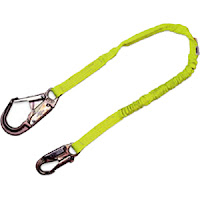
The risk assessment process for work at height is not
different for other risk assessment, it is just more focussed. As with all risk
assessments, there is a hierarchy of control that needs to be considered, in
this case it is: avoid, prevent, mitigate.
There should be thought given to ways in avoiding (or at least
minimising) the need for work at height in any workplace, including
construction environments. Where the need for work at height cannot be avoided,
consideration must be given to preventing falls from height (such as by the
provision of safe work platforms with adequate edge protection, or even by the
use of a harness and lanyard arrangement designed to prevent the worker from
reaching the edge from which they can fall (e.g. 2m lanyard anchored 3 m from
the edge). In the event of prevention not being possible, then there should be
consideration of mitigation of the effects of the fall (such as by the use of
safety nets, fall arrest equipment or even air bags).

Perhaps the thing that is
most often missing from a work at height risk assessment (or the accompanying
method statement) is the rescue plan - how to retrieve safely a worker from a
work at height (especially a fall involving fall arrest equipment) situation
should the need arise. Few people are aware of the short period of time (about
15 minutes) in which a suspended, unconscious person should be rescued in to
avoid (potentially fatal) suspension trauma.
Contact us through our website
Tuesday, 9 October 2012
You can be prosecuted for breaking H&S Law, even if no one is harmed
When things have gone wrong, people sometimes respond by saying things like "I don't know what the fuss is about, nobody got harmed". Good Health and Safety practise is about protecting people from harm and it means that companies need to act to protect employees from harm, as the case below demonstrates.
Aylesbury Magistrates' Court sentenced a microbrewery in October 2012 for failing to take sufficient action to prevent unsafe work at height and failing to improve manual handling at its Marsh Gibbon production plant. The brewery was warned back in May 2010 that it needed to improve after the Health and Safety Executive (HSE) served an Improvement Notice requiring action to protect workers transferring materials from racking to processing machinery. The HSE inspector raised concerns about manual handling operations, principally the filling of hoppers with malt and barley, which involved employees lifting heavy sacks weighing up to 25kg in awkward circumstances. The notice required the company to carry out a thorough assessment of the (manual) handling risks and to take appropriate action.
The court heard that the HSE revisited the brewery in November 2010 and again in February 2011, but on both occasions little had changed. Concerns were also expressed about a mezzanine floor that was accessible via inadequate steps and a second Improvement Notice was served in March 2011.
The brewery was fined £6,000 and ordered to pay costs of £8,623 after pleading guilty to breaching Section 2(1) of the Health and Safety at Work etc Act 1974 and Regulation 6(3) of the Work at Height Regulations 2005.

The HSE Inspector (Stephen Manley) said:
"The response of Oxfordshire Ales to the original Improvement Notice was disappointing to say the least. The improvements were necessary in order to protect workers from injury and prevent falls, yet the company took far too long to take appropriate action. Thankfully no employees were hurt, but there were clear risks that could easily have been remedied a lot sooner."
Need help? Visit our website
Aylesbury Magistrates' Court sentenced a microbrewery in October 2012 for failing to take sufficient action to prevent unsafe work at height and failing to improve manual handling at its Marsh Gibbon production plant. The brewery was warned back in May 2010 that it needed to improve after the Health and Safety Executive (HSE) served an Improvement Notice requiring action to protect workers transferring materials from racking to processing machinery. The HSE inspector raised concerns about manual handling operations, principally the filling of hoppers with malt and barley, which involved employees lifting heavy sacks weighing up to 25kg in awkward circumstances. The notice required the company to carry out a thorough assessment of the (manual) handling risks and to take appropriate action.
The court heard that the HSE revisited the brewery in November 2010 and again in February 2011, but on both occasions little had changed. Concerns were also expressed about a mezzanine floor that was accessible via inadequate steps and a second Improvement Notice was served in March 2011.
The brewery was fined £6,000 and ordered to pay costs of £8,623 after pleading guilty to breaching Section 2(1) of the Health and Safety at Work etc Act 1974 and Regulation 6(3) of the Work at Height Regulations 2005.

The HSE Inspector (Stephen Manley) said:
"The response of Oxfordshire Ales to the original Improvement Notice was disappointing to say the least. The improvements were necessary in order to protect workers from injury and prevent falls, yet the company took far too long to take appropriate action. Thankfully no employees were hurt, but there were clear risks that could easily have been remedied a lot sooner."
Need help? Visit our website
Sunday, 7 October 2012
Contractor's death results in large fine for construction firm
Falls from height remain one of the most common causes of fatalities and major injuries in the construction sector. In the period 2011 to 2012, 49 workers lost their lives on construction sites in the UK, with falls from height being a major cause. Following the death of a man after falling through a roof while working on the construction of a shopping centre in North Wales, a building firm has been ordered to pay £450,000 in fines and £98,000 costs after being found found guilty of breaching Section 3(1) of the HSWA 1974.
The Crown Court in Mold (North Wales) heard that Watkin Jones & Son Ltd was the principal contractor during the building of the Menai Centre in Bangor and that Thomas Whitmarsh, (aged 21) was working for a company that was sub-contracted to carry out roofwork at the site.
In December 2009, Thomas Whitmarsh was fitting a rubber membrane to a flat concrete roof when he fell nearly six metres through an unguarded opening in the roof to the floor below, sustaining serious head injuries. He then spent several months in hospital and was making a gradual recovery. Unfortunately, the brain injury he suffered exposed him to a much higher degree of infection and he later died after contracting acute meningitis. The court heard that there was more than an 80-per-cent chance that the injuries from the fall contributed to his death.
An HSE inspector commented that there had been adequate edge protection around the void, but that this had been removed and not put back in place until after the incident. He went on to comment that:
Please feel free to contact us through our website
The Crown Court in Mold (North Wales) heard that Watkin Jones & Son Ltd was the principal contractor during the building of the Menai Centre in Bangor and that Thomas Whitmarsh, (aged 21) was working for a company that was sub-contracted to carry out roofwork at the site.
In December 2009, Thomas Whitmarsh was fitting a rubber membrane to a flat concrete roof when he fell nearly six metres through an unguarded opening in the roof to the floor below, sustaining serious head injuries. He then spent several months in hospital and was making a gradual recovery. Unfortunately, the brain injury he suffered exposed him to a much higher degree of infection and he later died after contracting acute meningitis. The court heard that there was more than an 80-per-cent chance that the injuries from the fall contributed to his death.
An HSE inspector commented that there had been adequate edge protection around the void, but that this had been removed and not put back in place until after the incident. He went on to comment that:
“Poor coordination between the principal and the roofing contractors on this particular part of the site led to the edge protection being removed from around the roof opening without alternative safeguards in place.
Falls from height are an alarmingly common cause of death and serious injury in construction. All too often, straightforward practical precautions are not considered and workers are put needlessly at risk. Poor management of risk in this industry is unacceptable and HSE will take strong action when necessary.
This tragic case should remind all contractors that work at height must be managed effectively and adequate safeguards should be in place to prevent falls.”By way of mitigation, the firm said it takes health and safety seriously but accepts failings took place in relation to this incident. Following the incident, it modified its procedures to ensure that work is safely handed over to contractors.
Please feel free to contact us through our website
Thursday, 27 September 2012
Work at height, rescue and suspension trauma
Introduction and Legislation
Avoiding and minimising the risks from work at height
Although
the immediate aim is to recover the suspended worker (or casualty) to the
nearest point of safety, there are basically four options for dealing with an
emergency rescue that involves an injured or incapacitated worker being recovered
to safety. In order of preference these are:
Suspension
trauma does not take long to develop
Please visit my website
Lots of work at height can be, and is, carried out safely.
In many other cases, such work is not carried out safely, but people get away
with it and come to no harm. However, when things do go wrong with work at
height, the consequences are often severe and are sometimes fatal.
The legislative approach to work at height is relatively
simple and straightforward and, unsurprisingly, is based on risk assessment. The
Work at Height Regulations 2005 are
concerned with working safely at heights by:
·
avoiding work at height, where it is reasonably
practicable to be do so
·
preventing falls from height, where it is
reasonably practicable to be do so
·
mitigating the effects of falls from height, where
it is reasonably practicable to be do so
Regulation
4 of the Work at Height Regulations 2005 deals with organisation and
planning: Regulation 4(1) states that: every
employer shall ensure that work at height is -
(a) properly planned;
(b) appropriately supervised; and
(c) carried out in a manner which
is so far as is reasonably practicable safe, and that its planning includes the
selection of work equipment in accordance with regulation 7
Regulation
4(2) states that: Reference in paragraph (1) to planning of work includes
planning for emergencies and rescue.
Avoiding and minimising the risks from work at height
Regulation 6(1) requires the employer to carry out a
suitable and sufficient assessment of the risks arising from any work at
heights:
“In identifying the measures required by this regulation,
every employer shall take account of a risk assessment under regulation 3 of
the Management Regulations.”
There will be no need for a specific risk assessment
dealing with working at height if this subject has been dealt with fully and
satisfactorily in the risk assessments already completed for compliance with Regulation
3 of the Management of Health and Safety at Work Regulations 1999. For many employers, it will be necessary to
revisit these assessments or to complete new “working at height” risk
assessments to ensure compliance with the new regulations.
Regulation 6(2) places a duty on the employer to avoid the need for working at a height
where it is reasonably practicable to do so:
“Every employer shall ensure that work is not carried out
at height where it is reasonably practicable to carry out the work safely
otherwise than at height.”
Work must be carried out in a manner such employees are not
placed at risks of injury from falling from a height if this is reasonably
practicable. Where reasonably
practicable, work should be carried out at ground level rather than at a
height. This applies to maintenance
activities as well as to assembly and production activities.
The requirement for prevention
of employees working at a height from falling is introduced in Regulation 6(3):
“Where work is carried out at height, every employer shall
take suitable and sufficient measures to prevent, so far as is reasonably
practicable, any person falling a distance liable to cause personal injury.”
Where work involves access to areas from where a person may
fall, access to that area must be prevented in some way. This may involve several solutions, such as:
- the use of suitable
scaffolding systems,
- the use of mobile elevated
work platforms and similar equipment,
- the construction of
suitable walls or guard-rails (including intermediary guard-rails and
toe-boards),
- the use of a harness and
anchored lanyard that stops the person reaching the point from which they
may fall (such as a 2m lanyard anchored 2.5 m from a fall, i.e. it is too
short all allow the person wearing it to reach the edge over which they
may fall).
“Where the measures
taken under paragraph (4) do not eliminate the risk of a fall occurring, every
employer shall take—
(a) suitable and sufficient measures, including the
provision of work equipment, to minimise—
(i) the distance and consequences; or
(ii) where it is not reasonably practicable to minimise the
distance, the consequences, of a fall; and
(b) without prejudice to the generality of paragraph (3),
such additional training and instruction or other additional suitable and
sufficient measures to prevent, so far as is reasonably practicable, any person
falling a distance liable to cause personal injury
There
are several ways of mitigating the effects of a fall from a height, these
include:
- the use of a suitable fall
arrest system,
- the use of suitably positioned
and secured safety nets
- the use of rail lock
systems on vertical ladders
- the use of suitably sited,
specially designed airbags
- etc.
Where
a risk on a person being injured by a fall exists, the regulations require the
use of suitable falls prevention measures and
fall mitigation measures. This is a case
of both, not either/or.
Planning for Rescue
Employers involved
in work at height operations need to make provision for rescue arrangements it
is a requirement of the Work at Height Regulations 2005. Further to this, the
casualty needs to be attended to and recovered promptly. This is the employer’s
responsibility - not the responsibility of the emergency rescue services. In the event of a problem developing for a
worker working at height, help must be available promptly. As can be seen below
(suspension trauma), the survival of an injured person may well depend on the
speed of recovery and the level of suitable first aid provision. As discussed later in this article, being
suspended for any length of time may be fatal, owing to the effects of
suspension trauma. It follows, therefore that it is important that there is a
specific rescue plan in place and that suitable and sufficient resources are
provided for each workplace where work at height is carried out. The rescue
plan should be regularly reviewed and should be revised as necessary.
As well as
physical resources, there should be a provision of trained rescuers on site
that are familiar with the procedures, the equipment and the site.
Rescue
planning must not be left to the last moment, but should form part of the risk
assessment for the work at height. Rescue planning and rescue operations should
give consideration to the following issues:
- the safety of the persons carrying out, or
assisting with, the rescue
- the anchor points that are to be used for
the rescue equipment
- the suitability of the equipment (anchor points,
harnesses, attachments and connectors) that has already arrested the fall
of the casualty for use during the rescue
- the method that will be used to attach the
casualty to the rescue system
- the direction that the casualty needs to
be moved to get them to the point of safety, i.e. up, down or sideways
- the first aid needs of the casualty (with
respect to injury and also to suspension trauma)
- the possible needs of the casualty
following the rescue
The
following is a simple checklist that employers may work through to ensure that
they have considered the important elements of their rescue planning. As with a
fire evacuation plan, there is no need to wait for a fire in order to find out
if your procedures work – practice opf the procedures (in this case the rescue
plan) will identify failings before they can havea serious effect on people.
- How will people be made aware of when
someone has fallen?
- How will the suspended worker summon
assistance?
- What communication systems will be used
between the suspended worker and the rescue team?
- Is there an emergency contact list and
other useful information for supervisory staff?
- Is suitable rescue equipment provided on
site and is it readily accessible?
- Have a sufficient number of operatives been
trained in the rescue plan and in the use of rescue equipment?
- Has training been kept up to date and does
it deal with the rescue equipment provided?
- Have assessments been made of anchor
points to which rescue equipment will be attached?
- Has consideration been given to attaching
rescue equipment to the suspended worker?
- Have the means of access to the suspended
worker been considered?
- Will the rescue arrangements ensure that
the suspended worker is recovered in less than five to ten minutes (to
prevent suspension trauma)?
- Does the rescue plan take into account an
injured (or unconscious) suspended worker?
- Are first aid personnel aware of how to
treat casualties with (suspected) suspension trauma?
- Are there suitable arrangements for
summoning aid from the emergency services and for liaising with them after
arrival on site?
- Have the rescue operatives practiced the
removal of suspended casualties using the equipment that you have
provided?
The
potential for a suspended worker (casualty) to be located over an edge must be considered.
The rescue will be complicated in instances where edges and obstructions are
involved. Recovery that involves working over an edge will:
- increase the effective load in raising
operations due to additional friction
- create risks of cutting or abrasion of the
anchor line
- put extra shock loading on the anchor line
if (sections of) the edge collapse during the rescue
- interfere with the operation of rescue
equipment
Four types
of rescue
- lowering a remote casualty
- raising a remote casualty
- self evacuation by descent
- rescuing another in descent
General
considerations for rescue operations
The rescue
system will be under tension and, as such, will be at greater risks of damage
from abrasion and cutting. Consider of rescue scenarios (in the form of risk assessments)
may indicate the need to use rescue equipment that is capable of coping with
these situation, or it may indicate that an additional (backup) safety line may
be required. The rescue plan must allow for rescue when the casualty is
unconscious. In order to reduce shock
loading and jarring of the suspended worker (casualty) it is important that
control is maintained at all times while operating rescue equipment.
The anchor
for the rescue equipment should be in a position where the equipment can be
operated easily and safely. This may mean that it is appropriate to site the
equipment away from the edge to allow for its safety operation. In this
situation it may be necessary to use additional equipment to redirect or align
the rescue system correctly. The
potential for abrasion and cut-through means that ropes should not be run over
edges which also may collapse leading to additional shock-loading of the
system). If the system needs to run over an edge, then the rope and edge must
be protected from each other and it should be determined that the edge can
support the imposed loads.
Raising and
lowering operations should be carried out in a controlled manner. The path for
raising and lowering should be calculated and checked to ensure that obstacles
are not encountered. The potential for some rescue equipment to operate in one
direction only must also be considered so that the suspended worker is not
moved into a position from which they cannot be recovered.
The general
procedure for recovery of the suspended worker should give consideration to the
following:
- an assessment of the rescue situation
before starting the rescue operation
- arranging for the provision of appropriate
medical assistance (such as by summoning the emergency services)
- determination of the appropriate position
to carry out the rescue operation from
- determination of the appropriate anchor
points for the rescue equipment
- identification of a suitable location (or point
of safety) to move the suspended worker (casualty) to
- ensuring that all those involved in the
rescue operation are aware of the procedure to be carried out and of their
role within this procedure
- ensuring that all relevant employees that have
been trained in the rescue procedures are competent to carry out their
role
- carrying out the rescue operation in a steady
and controlled manner
- ensuring that a suitable means of communication
is maintained at all times during the rescue operation
- arranging a suitable process to monitor
the suspended worker’s condition at all times during the rescue operation
and arranging appropriate first aid and/or medical provision
- reviewing the whole operation in order to
determine the lessons that can be learned to make improvements for future
rescue operations
One of the
reasons why planning for rescue in work at height situations is important is suspension
trauma (a special case of orthostatic intolerance and sometimes known as harness
hang syndrome). Orthostatic intolerance is
a normal and natural reaction to being upright and immobile. In such cases, a complex combination of blood
pooling in the legs and cardiorespiratory restriction leads to unconsciousness.
Orthostatic intolerance can occur in several sets of circumstances, such as:
- being suspended in a harness
- being trapped upright within a
confined space
- being secured to a vertical
stretcher or litter (such as in mountain rescue)
- many situations where people
are forced to remain standing without the ability or room to move
A classic
manifestation of acute orthostatic
intolerance is a soldier who
faints after standing rigidly at attention for an extended period of time. Suspension trauma presents an immediate
threat of death to anyone immobilised in a vertical position.
Causes
of suspension trauma
When people
stand upright, the heart alone cannot cope with pumping the blood around the
body. In particular, it can't draw blood back up, against the force of gravity,
from the legs and feet. To aid the
heart, our veins (the blood vessels that return blood to the heart) are very
elastic and have a series of (non-return) valves at regular intervals. As people
move around, the veins are squeezed by the muscles around them, a process that
is important for helping to push blood back up towards the heart. If people are in an upright position for a
while without working their leg muscles, then the blood doesn't get pumped back
up from the lower body. Instead it collects in the veins of the lower body (venous
pooling), and so reduces the amount of blood available for circulation. This reduces
the quantity and the quality of blood available to the brain, which can result
in loss of consciousness. This loss of consciousness is an important survival
mechanism in these circumstances as when people faint, they fall over. Once they are lying down, the heart can
circulate their blood quite satisfactorily, returning oxygen to the brain with
no harm done.
Suspension trauma
is the name given to the situation that occurs when people faint but cannot
fall over, causing the body to remain upright. This is a serious problem,
because if the body stays upright after losing consciousness, then the blood
flow is not restored. In such circumstances, the suspended person is at serious
risk as the reduced blood flow can lead to serious brain and/or kidney damage,
and ultimately to death. If it is allowed to develop unchecked, it can be fatal
in a very short time (a matter of minutes).
In averages
cases, it takes somewhere between five and twenty minutes for the first signs
of shock to be felt by the casually. If
their legs are held perfectly still (such as if they are unconscious) then the
first signs of shock may be apparent after about three minutes. If they are not rescued, a few minutes after
this they the casualty will faint and shortly after this they will die. If a suspended person is to be rescued, then
the rescue must be carried out quickly, preferably within ten minutes of the
start of suspension.
By their nature, rescue operations
are carried out under extreme pressure.
Consideration should be given to all aspects of the rescue process.
Elements to consider would include the type of equipment required, the demands
placed upon the rescuer, the training the rescuer will require to carry out the
rescue and how the effectiveness of the rescue system as a whole can be maintained Following a fall and a person being suspended
in a harness, it is clear that even if they are uninjured by the fall there is
a relatively short time available during which to rescue them. Following the fall, there is only a short
time before the onset of shock and suspension trauma is life threatening. It is essential, therefore, that the means of
rescuing them fallen person has been planned before the event.
Even is the
casualty cannot be released form suspension immediately, they can be aided by
others if they can be reached safely or if they are still conscious. If possible, lift their knees into a sitting
position using a rope, sling, or other items.
If the casualty is hanging in a harness and is unable to escape, there
are some things that they can do to prevent the onset of suspension trauma. In particular, they cam wiggle their toes and
move their legs. This will move the muscles in the legs and will help to squeeze
the blood back up towards the heart.
This may be enough to prevent the onset suspension trauma.
First
Aid for people with (suspected) suspension trauma
When
somebody has been rescued from suspension, do not let them lie down and do not
lay them down. The first action of the
first aider on site when the casualty is released from suspension should be to
place them in a sitting position with their body upright and their legs flat,
or bent at the knees. The exact angle of the knees is not critical, the
important issue is that their body is upright, and the legs are no longer dangling.
This posture will reduce the pooling effect of gravity, but will keep most of
the pooled blood in the legs, preventing reflow and splinting (see below). The
casualty should be kept in this position for at least 45 minutes. The casualty must not be allowed to stand up,
exercise, drink or eat. They should be kept calm and relaxed as this will help
to reduce the effects of stress on the heart rate. The casualty should be sent
to hospital, even if they are not experiencing any ill health. The first aider must also be mindful of other
injuries that have been sustained, such as spinal injuries, choking, etc.
Casualties
who have developed suspension trauma may be at risk from reflow syndrome. This is the name given to the potentially
fatal situation caused when the pooled that has blood in the veins in the legs
is allowed to flow back into their body.
The blood that has pooled in the veins in the legs will have the
nutrients and the oxygen in it used up by the leg muscles. Once this has been used up the leg muscles
will respire anaerobically and the blood will accumulate the toxic breakdown
products of this anaerobic metabolism
Another of
the problems with treating suspension trauma casualties is overloading or
splinting of the heart muscle. Lying the casualty down will cause about 60% of
blood volume to return very quickly to the heart and may fill it with blood
such that the pumping action is not possible. This overloading of the heart
muscle can cause immediate death. During and after rescue, it is important that
the casualty is not carried or laid horizontally or allowed to lie down.
Suspension
trauma is a potential cause of death in all cases of vertical suspension. It may result in the death of a person who
has fallen and whose fall has been arrested by their fall arrest equipment and
who is otherwise unhurt. In order to
prevent fatalities from suspension trauma, employers need to ensure that
casualties can be rescued promptly (within ten minutes) and that the first
aiders known how to deal with (suspected) suspension trauma cases.
Summary
Plan work at height carefully through a risk assessment
based approach and avoid the need for work at height where this is reasonably
practicable. In cases where work at height is required, prevent falls from height
where reasonable practicable and mitigate the effects of any falls. As part of
the planning for work at height work, plans must also be thought through (and
practised) on how to conduct a rescue of a worker how falls, but whose fall is
arrested and who is left suspended. Speed of the rescue is critical to the
survival of the casualty, as is the training of the first aid response to workers
who may have suspension trauma.
Wednesday, 15 December 2010
Fall from height fatality costs BT nearly half a million Pounds
British Telecommunications Plc (BT) has been fined £300,000 following the death of a worker who fell from height. The 52 year old power construction engineer fell from a ladder while carrying out installation works and suffered fatal head injuries. the incident occurred at London's Canonbury Telephone Exchange on 27 October 2006.
BT was prosecuted after an investigation by the Health and Safety Executive (HSE). The Crown Court heard that the worker was installing distribution boards and running cabling as part of his work and that he would have been working at a height of more than four metres. He fell from a nine-step wooden ladder, sustaining a serious head injury and he died 18 days later.
The HSE investigation found a number of issues including a failure to ensure the work at height was properly planned. they also found that the worker was provided with suitable access equipment for work at height. Two wooden ladders found at the scene had not been subject to an annual inspection, contrary to BT's own health and safety policy. BT were found guilty of breaching section 2(1) of the Health and Safety at Work etc. Act 1974 at a previous hearing. Today, they were fined £300,000 and were ordered to pay costs of £196,150
The HSE inspector, said:
The fact that this incident was entirely avoidable makes Mr Askew's death all the more tragic.
The dangers posed by work at height are well known, yet BT failed to create the conditions to ensure this task was carried out safely and the appropriate access equipment was used.
Employers have a responsibility to ensure that work at height is properly planned and organised.
Showing the human suffering side of workplace safety, the wife of the worker killed in this incident said:
I spent over 30 happy, irreplaceable years with my husband. He was a remarkable father and husband. What do I have to look forward to now? My husband was my past and I thought he was my future.
I feel sad my husband will never see two of his children get married. Most of all I feel sad that I see such sadness in my children's eyes when they talk of their father.
I feel sad that my husband worked all his life and never got the chance to retire and enjoy the life he was working so hard towards.
I share a massive disappointment that this happened within a workforce of such a large company and where the safety of every employee should have been assured.
Note:
Sadly, falls from height remain the most common cause of workplace fatality. In the accident statistics for the period of 2008 - 2009 there were 35 fatalities, 4654 major injuries and a further 7065 injuries that caused the injured person to be off work for over three days or more, due to a fall from height.
BT to Appeal - it is understood that BT are to appeal against the fine in this case. More on this later.
Tuesday, 29 June 2010
Fall from height - large fines
Two Gloucestershire companies have been fined after a roofing contractor fell through a skylight and suffered serious head injuries.
The two companies were prosecuted by the Health and Safety Executive after a contractor fell through a fragile roof skylight while working on the roof of a sawmill building at Mile End, Coleford, Gloucestershire. The contractor fell five metres and landed on the concrete floor below, sustaining serious head injuries.
At a hearing before Gloucester Magistrates, the Sawmill company pleaded guilty to four breaches of the Construction (Design and Management) Regulations 1994 and 2007 and was fined a total of £13,320 and ordered to pay costs of £14,443.
The owner of the contracting company pleaded guilty to breaching section 2(1) and 3(1) of the Health and Safety at Work etc. Act 1974 and was fined a total of £26,660 and ordered to pay costs of £14,443.
Speaking after the hearing, An HSE inspector said:
Contact us through the website
The two companies were prosecuted by the Health and Safety Executive after a contractor fell through a fragile roof skylight while working on the roof of a sawmill building at Mile End, Coleford, Gloucestershire. The contractor fell five metres and landed on the concrete floor below, sustaining serious head injuries.
At a hearing before Gloucester Magistrates, the Sawmill company pleaded guilty to four breaches of the Construction (Design and Management) Regulations 1994 and 2007 and was fined a total of £13,320 and ordered to pay costs of £14,443.
The owner of the contracting company pleaded guilty to breaching section 2(1) and 3(1) of the Health and Safety at Work etc. Act 1974 and was fined a total of £26,660 and ordered to pay costs of £14,443.
Speaking after the hearing, An HSE inspector said:
"This incident highlights the extremely serious risks posed by working at heigh if adequate safety protection measures are not in place ... The investigation revealed significant failures in the safe systems of work for the removal of the roof sheets and also significant failure to control risks of working at height during all of the stages of the sawmill refurbishment. RS was supervising two other employees who were also at risk, one of whom was only 17 at the time of this incident ... The sawmill remained open during all of the works and employees working below were also at risk from persons or objects falling on them. (The) fall could easily have proved fatal."
Contact us through the website
Thursday, 10 June 2010
Working at height and failure to control contractors
Case 1
Failure to control the work (at height) of contractors led to a large waste management company being fined £100,000 (with costs of £22,000) for breaching Section 3(1) of the Health and Safety at Work, Etc Act 1974 (HSWA) by failing to ensure the safety of those not in its employment. The contractor was also fined £70,000 (with costs of £22,000) after pleading guilty to contravening Section 2(1) HSWA by not ensuring its employees’ safety. The accident followed an attempt to remove the gearbox that was attached to a large fan (9 ½ metres diameter) set at a height of ten metres. The removal of the gearbox was proving problematic and appropriate hydraulic equipment should have been brought in. However, four workers stood on the fan blades and rocked them up and down. When the fan released itself, a worker overbalanced and fell ten metres, through a mesh that could not hold his weight, to a pallet below. The worker sustained serious injuries, including broken ribs, a punctured lung and a hernia. The worker fell onto a pallet of copper pipes, which absorbed much of the impact. It is likely that he would have died if he had landed on the floor.
Case 2
An electrical installations company has been fined £160,000 (with costs of about £25,000) after a workman fell to his death while dismantling a mobile tower scaffold. The worker erected the mobile tower scaffold with edge protection on the top platform, but not around the intermediate levels. While dismantling the tower (from top to bottom) the worker was attempting to remove one of the intermediate platforms when he stumbled and fell from the scaffolding and landed on the ground, five metres below. The Company pleaded guilty to breaching Regulations 4(1)(b) and 4(1)(c) of the Work at Height Regulations 2005 for failing to ensure work at height was properly supervised and carried out safely.
Case 3
A worker fractured his leg and ankle after falling 4 metres from a wooden pallet that was being used as a temporary work platform that was raised by a forklift truck. Although the workers were acting on their own initiative, the problem (with a roller shutter door sticking) was one that was well known to management within the Company. The investigating HSE inspector commented that the men should have used an alternative to the pallet raised by the forklift, such as: a ladder, a mobile scaffold, a cherry picker or mobile-elevated work platform. The Company pleaded guilty to a breach of Section 2(1) of the HSWA by failing to ensure its employees’ safety. It was fined £10,000 (with costs of £5884).
Case 4
In a very recent case, a Leicester based company was fined £10,000 (with costs of £4,778) following prosecution when contracted roofers were spotted working unsafely at their premises. Safe access was provided on one of the premises, but there was not fall protection on the other side. An HSE Inspection commented “This case shows that it is not only the responsibility of the contracting company to ensure the safety of its workforce, but also it is the client’s”.
Failure to control the work (at height) of contractors led to a large waste management company being fined £100,000 (with costs of £22,000) for breaching Section 3(1) of the Health and Safety at Work, Etc Act 1974 (HSWA) by failing to ensure the safety of those not in its employment. The contractor was also fined £70,000 (with costs of £22,000) after pleading guilty to contravening Section 2(1) HSWA by not ensuring its employees’ safety. The accident followed an attempt to remove the gearbox that was attached to a large fan (9 ½ metres diameter) set at a height of ten metres. The removal of the gearbox was proving problematic and appropriate hydraulic equipment should have been brought in. However, four workers stood on the fan blades and rocked them up and down. When the fan released itself, a worker overbalanced and fell ten metres, through a mesh that could not hold his weight, to a pallet below. The worker sustained serious injuries, including broken ribs, a punctured lung and a hernia. The worker fell onto a pallet of copper pipes, which absorbed much of the impact. It is likely that he would have died if he had landed on the floor.
Case 2
An electrical installations company has been fined £160,000 (with costs of about £25,000) after a workman fell to his death while dismantling a mobile tower scaffold. The worker erected the mobile tower scaffold with edge protection on the top platform, but not around the intermediate levels. While dismantling the tower (from top to bottom) the worker was attempting to remove one of the intermediate platforms when he stumbled and fell from the scaffolding and landed on the ground, five metres below. The Company pleaded guilty to breaching Regulations 4(1)(b) and 4(1)(c) of the Work at Height Regulations 2005 for failing to ensure work at height was properly supervised and carried out safely.
Case 3
A worker fractured his leg and ankle after falling 4 metres from a wooden pallet that was being used as a temporary work platform that was raised by a forklift truck. Although the workers were acting on their own initiative, the problem (with a roller shutter door sticking) was one that was well known to management within the Company. The investigating HSE inspector commented that the men should have used an alternative to the pallet raised by the forklift, such as: a ladder, a mobile scaffold, a cherry picker or mobile-elevated work platform. The Company pleaded guilty to a breach of Section 2(1) of the HSWA by failing to ensure its employees’ safety. It was fined £10,000 (with costs of £5884).
Case 4
In a very recent case, a Leicester based company was fined £10,000 (with costs of £4,778) following prosecution when contracted roofers were spotted working unsafely at their premises. Safe access was provided on one of the premises, but there was not fall protection on the other side. An HSE Inspection commented “This case shows that it is not only the responsibility of the contracting company to ensure the safety of its workforce, but also it is the client’s”.
Hazardous substances or COSHH Cases
Case 1
In January this year, a bearings company was fined £20,000 (with costs of £15,000) following prosecution for exposing the workforce to hazardous substances in the form of metalworking fluids as a mist. The company was issued with an Improvement Notice, following an HSE visit in April 2007, to provide its workforce with adequate face protection, and to install adequate control measures on six machines, to prevent employees coming into direct contact with the mist. Inspectors returned in December 2007 and undertook a full safety audit across the whole site. Although the company complied with the Improvement Notice (and installed extractors on each machine) a subsequent inspection identified that the problem was more widespread and 100 other machines were also emitting metalworking fluid. Over the last five years there have been 15 reported cases of respiratory ill health (occupational asthma and extrinsic allergic alveolitis) from workers at the factory. This represents the second largest exposure of its kind in the UK at a single company.
Case 2
The UK's largest domestic manufacturer of energy and telecommunications cables and systems to service home and export markets was fined £27,500 and ordered to pay £10,700 costs, at Southampton Crown Court in September 2009. A factory worker was left with permanent disabilities and has been forced to retire on medical grounds at the age of 48 after contracting a severe form of dermatitis at his workplace. The company pleaded guilty to breaching Regulations 6(1)(a), 7(1), and 7(3) of the Control of Substances Hazardous to Health Regulations 2002. The site produced high-voltage cables, which contained paper insulation that was soaked in dodecylbenzene oil. As part of the quality testing, the worker cut sections out of the cables and the oil regularly came into contact with his skin. The worker was not provided with suitable personal protective equipment and suffered skin irritations across large parts of his body. As a result of the illness he has been left with permanent scarring and has to avoid contact with a large number of substances that cause further skin irritation.
In January this year, a bearings company was fined £20,000 (with costs of £15,000) following prosecution for exposing the workforce to hazardous substances in the form of metalworking fluids as a mist. The company was issued with an Improvement Notice, following an HSE visit in April 2007, to provide its workforce with adequate face protection, and to install adequate control measures on six machines, to prevent employees coming into direct contact with the mist. Inspectors returned in December 2007 and undertook a full safety audit across the whole site. Although the company complied with the Improvement Notice (and installed extractors on each machine) a subsequent inspection identified that the problem was more widespread and 100 other machines were also emitting metalworking fluid. Over the last five years there have been 15 reported cases of respiratory ill health (occupational asthma and extrinsic allergic alveolitis) from workers at the factory. This represents the second largest exposure of its kind in the UK at a single company.
Case 2
The UK's largest domestic manufacturer of energy and telecommunications cables and systems to service home and export markets was fined £27,500 and ordered to pay £10,700 costs, at Southampton Crown Court in September 2009. A factory worker was left with permanent disabilities and has been forced to retire on medical grounds at the age of 48 after contracting a severe form of dermatitis at his workplace. The company pleaded guilty to breaching Regulations 6(1)(a), 7(1), and 7(3) of the Control of Substances Hazardous to Health Regulations 2002. The site produced high-voltage cables, which contained paper insulation that was soaked in dodecylbenzene oil. As part of the quality testing, the worker cut sections out of the cables and the oil regularly came into contact with his skin. The worker was not provided with suitable personal protective equipment and suffered skin irritations across large parts of his body. As a result of the illness he has been left with permanent scarring and has to avoid contact with a large number of substances that cause further skin irritation.
Confined spaces - A couple of cases
Case 1
A silo cleaning company was fined £15,000 each of two breaches of the Confined Spaces Regulations 1997 (with costs of £15,000) after pleading guilty to breaching Regulations 4(2) (failing to provide a safe system of work) and 5(1) (insufficient emergency arrangements). A worker who had not been trained in confined-space access and egress, nor provided with adequate equipment, died of heat exhaustion inside a feed silo.
Case 2
A metal-treatment company has been fined £533,000 (with costs of £200,000) following a double fatality at its manufacturing plant. The Crown Court heard that a works manager and a maintenance manager died of asphyxiation and were found unconscious on stairs leading to a concrete-lined pit after argon gas had leaked from a large pressure vessel. Following a number of false alarms, the pit’s oxygen alarm system had been silenced. This was coupled to the fact that the ventilation system was also not in operation after the machine had lost power during a power cut. The power cut happened a month prior to the incident and had not been switched back on. The HSE inspector commented “... the risks from confined spaces and asphyxiation due to the presence of argon were well-known to the company, which had experienced of a similar double fatality. Despite this warning the company failed to undertake a proper risk assessment for entry into the confined space. Although they had implemented a safe system of work and permit-to-work procedure, they had not properly trained employees in their use, or ensured that these systems and procedures were being followed through their auditing procedure.”
If you need help to manage your Health and Safety, please contact us via our website
A silo cleaning company was fined £15,000 each of two breaches of the Confined Spaces Regulations 1997 (with costs of £15,000) after pleading guilty to breaching Regulations 4(2) (failing to provide a safe system of work) and 5(1) (insufficient emergency arrangements). A worker who had not been trained in confined-space access and egress, nor provided with adequate equipment, died of heat exhaustion inside a feed silo.
Case 2
A metal-treatment company has been fined £533,000 (with costs of £200,000) following a double fatality at its manufacturing plant. The Crown Court heard that a works manager and a maintenance manager died of asphyxiation and were found unconscious on stairs leading to a concrete-lined pit after argon gas had leaked from a large pressure vessel. Following a number of false alarms, the pit’s oxygen alarm system had been silenced. This was coupled to the fact that the ventilation system was also not in operation after the machine had lost power during a power cut. The power cut happened a month prior to the incident and had not been switched back on. The HSE inspector commented “... the risks from confined spaces and asphyxiation due to the presence of argon were well-known to the company, which had experienced of a similar double fatality. Despite this warning the company failed to undertake a proper risk assessment for entry into the confined space. Although they had implemented a safe system of work and permit-to-work procedure, they had not properly trained employees in their use, or ensured that these systems and procedures were being followed through their auditing procedure.”
If you need help to manage your Health and Safety, please contact us via our website
Wednesday, 9 June 2010
Contractor fined £45,000 after lift engineer is crushed to death
A Kent-based lift company has been fined following health and safety failings which led to a self-employed lift engineer being crushed to death. The company was prosecuted following an investigation by the Health and Safety Executive (HSE) after an employee died while completing the installation of a new lift at a site near Oxford Street in Central London.
On 6 December 2005, the installer was working alone on the lift's wiring while standing on the roof of the lift car at an office building in London.
The cable of a control used to move the lift was severed when it became wrapped around a bolt protruding from the lift shaft wall. This led to a rogue command being sent to the lift's controller causing the lift to start moving upwards.
The installer became trapped between the top of the lift car and the top of the doorway as it travelled upwards, suffering fatal crush injuries.
Neither installer, nor his assistant, had experience of installing the type of lift control system being fitted at the site.
The Old Bailey heard the main contractor carrying out the work was had sub-contracted the work to a specialist lift engineer it had worked with previously. However, due to delays the sub-contractor had to leave the job uncompleted.
The job was then sub-contracted the completion and testing of the lift to a second sub-contractor who employed the installer to undertake the final phases of work.
The company pleaded guilty to breaching section 3(1) of the Health and Safety at Work etc Act 1974. The company was fined a total of £20,000 and ordered to pay costs of £25,000. The company has now stopped trading and has limited financial resources.
A HSE Inspector commented upon the case:
On 6 December 2005, the installer was working alone on the lift's wiring while standing on the roof of the lift car at an office building in London.
The cable of a control used to move the lift was severed when it became wrapped around a bolt protruding from the lift shaft wall. This led to a rogue command being sent to the lift's controller causing the lift to start moving upwards.
The installer became trapped between the top of the lift car and the top of the doorway as it travelled upwards, suffering fatal crush injuries.
Neither installer, nor his assistant, had experience of installing the type of lift control system being fitted at the site.
The Old Bailey heard the main contractor carrying out the work was had sub-contracted the work to a specialist lift engineer it had worked with previously. However, due to delays the sub-contractor had to leave the job uncompleted.
The job was then sub-contracted the completion and testing of the lift to a second sub-contractor who employed the installer to undertake the final phases of work.
The company pleaded guilty to breaching section 3(1) of the Health and Safety at Work etc Act 1974. The company was fined a total of £20,000 and ordered to pay costs of £25,000. The company has now stopped trading and has limited financial resources.
A HSE Inspector commented upon the case:
"This tragic event illustrates the critical importance of having sufficient protective features within a control system.
Just one fault sent this lift out of control. Completed lifts have many protective features and this principle cannot be ignored when lifts are being constructed. That is why the permanent car top controls should be used whenever possible, rather than temporary ones."
Company fined £210,000 after driver killed at landfill site
The death of a driver at a landfill site in Northamptonshire led to a waste management and recycling company being prosecuted by the Health and Safety Executive and being fined £210,000.
The Driver arrived at the site to empty his refuse lorry and had to be assisted onto and off the tipping area as wet weather had led to soft ground conditions at the site. A bulldozer towed the refuse lorry to the tipping area where he discharged part of his load, in order to shed the rest of the load, the lorry needed to move forward but had become bogged sown in the soft ground. The Driver was radioed by the driver of the compactor who was spreading rubbish behind his lorry, to say he would drive up behind the Driver’s lorry and push it forward using the compactor. The bulldozer in front of the Driver reversed up to the front of the lorry to give him a tow.
Both vehicles tried to help the lorry move, without communicating with each other.
As the compactor began to push the lorry forward, the Driver was attaching a tow rope from the bulldozer to the front of his lorry. He was crushed to death between his lorry and the back of the bulldozer.
Northampton Crown Court heard that the landfill company had not defined supervisory roles for the staff at the site and that there were ambiguous site rules concerning the pushing of lorries. It also heard how new working arrangements had been introduced at the site a few days before the incident without being properly assessed for risk.
The company was fined £210,000 and ordered to pay costs of £38,000 after pleading guilty to breaching Section 3(1) of the Health and Safety at Work etc Act 1974.
A HSE Inspector said:
This sort of accident could have been avoided through conducting an appropriate risk assessment. Find out more about risk assessments and how we can help you by telephoning us on 01509 550023.
Website
The Driver arrived at the site to empty his refuse lorry and had to be assisted onto and off the tipping area as wet weather had led to soft ground conditions at the site. A bulldozer towed the refuse lorry to the tipping area where he discharged part of his load, in order to shed the rest of the load, the lorry needed to move forward but had become bogged sown in the soft ground. The Driver was radioed by the driver of the compactor who was spreading rubbish behind his lorry, to say he would drive up behind the Driver’s lorry and push it forward using the compactor. The bulldozer in front of the Driver reversed up to the front of the lorry to give him a tow.
Both vehicles tried to help the lorry move, without communicating with each other.
As the compactor began to push the lorry forward, the Driver was attaching a tow rope from the bulldozer to the front of his lorry. He was crushed to death between his lorry and the back of the bulldozer.
Northampton Crown Court heard that the landfill company had not defined supervisory roles for the staff at the site and that there were ambiguous site rules concerning the pushing of lorries. It also heard how new working arrangements had been introduced at the site a few days before the incident without being properly assessed for risk.
The company was fined £210,000 and ordered to pay costs of £38,000 after pleading guilty to breaching Section 3(1) of the Health and Safety at Work etc Act 1974.
A HSE Inspector said:
"Every company has a legal responsibility to take care of people working on their site, whether they are employed by them or not, in whatever circumstances they are asked to operate. Assessing risks, mitigating them wherever possible or stopping work as appropriate is the least people should expect from companies. Employers need to ensure their staff understand their roles and responsibilities in making sure sites like this operate to clear site safety rules."
"In this case, the prosecution shows that this has not happened and the Driver’s family have lost him as a result."
This sort of accident could have been avoided through conducting an appropriate risk assessment. Find out more about risk assessments and how we can help you by telephoning us on 01509 550023.
Website
Monday, 7 June 2010
Store owner fined after failing to put safety of public first
A store owner was fined about £12,500 after being held responsible for an accident in which a three-year-old girl suffered second degree burns. The child’s dress caught fire as she walked past a propane space heater in the store. It was only the bravery of the child's father (who was also treated in hospital for burns to his hands as he tried to put out the flames) that prevented his daughter from suffering even more serious injuries.
Lancashire Fire and Rescue Service Fire Safety Enforcement Officers and Environmental Health Officers from West Lancashire Borough Council launched a joint prosecution against the fabric store. The business owner was found to be in breach of Regulatory Reform (Fire Safety) Order 2005 .
Fire service investigators who visited the business in the aftermath of the incident were said to be “appalled” by the lack of fire safety in this commercial site and the fire service concluded that the owner:
"failed to put the safety of the public first"
The store owner failed to initiate basic risk assessments, failed to fit fire or smoke detectors and alarms, failed to provide escape routes with suitable lighting and failed to ensure fire escapes could be used safely and quickly.
A spokesman for the Lancashire Fire and Rescue Service Fire said:
"Under fire safety regulations every ‘responsible person’ is required to carry out a Fire Risk Assessment. This may be done as part of the general Health and Safety Risk Assessment, or as a separate and specific Fire Risk Assessment.
Regrettably in this instance the responsible person had failed to undertake a Fire Risk Assessment which would have identified the unsuitable use of the space heater along with the lack of general fire precaution, and steps required to ensure public safety."
The store owner was also found guilty of offences under the Health and Safety at Work Act brought by West Lancashire Council.
Lancashire Fire and Rescue Service Fire Safety Enforcement Officers and Environmental Health Officers from West Lancashire Borough Council launched a joint prosecution against the fabric store. The business owner was found to be in breach of Regulatory Reform (Fire Safety) Order 2005 .
Fire service investigators who visited the business in the aftermath of the incident were said to be “appalled” by the lack of fire safety in this commercial site and the fire service concluded that the owner:
"failed to put the safety of the public first"
The store owner failed to initiate basic risk assessments, failed to fit fire or smoke detectors and alarms, failed to provide escape routes with suitable lighting and failed to ensure fire escapes could be used safely and quickly.
A spokesman for the Lancashire Fire and Rescue Service Fire said:
"Under fire safety regulations every ‘responsible person’ is required to carry out a Fire Risk Assessment. This may be done as part of the general Health and Safety Risk Assessment, or as a separate and specific Fire Risk Assessment.
Regrettably in this instance the responsible person had failed to undertake a Fire Risk Assessment which would have identified the unsuitable use of the space heater along with the lack of general fire precaution, and steps required to ensure public safety."
The store owner was also found guilty of offences under the Health and Safety at Work Act brought by West Lancashire Council.
Food Safety - Scores on the Doors
Consumers in most areas can see how well a food business complies with food hygiene regulations through ‘Scores on the Doors’ schemes run by their local authority.
The primary purpose of these ‘Scores on the Doors’ schemes is to allow consumers to make informed choices about the places in which they eat out and from which they purchase food, and, through this, to encourage businesses to improve hygiene standards. Journalists also make use of the ‘Scores on the Doors’ system to publicise the standards of food businesses.
Local authority enforcement officers are responsible for inspecting food businesses to ensure that they meet the legal requirements on food hygiene. Under ‘Scores on the Doors’ schemes, each food outlet is given a hygiene rating or hygiene score that reflects the inspection findings and may display this in their premises where consumers can see it. Scores are also available via websites where consumers can see the scores for all the businesses in the local area.
At the moment, more than 200 local authorities across the UK have Scores on the Doors schemes in place. These schemes vary in their design and the way that they are operated. Some authorities use a star grading system, usually three or five star ranges, others use smiley face symbols. The Food Standards Agency is hoping to standardise the system nationwide to make it easier to understand.
Freedom of information legislation means that inspection reports on food hygiene are in the public domain and any member of the public can ask to see them. ‘Scores on the Doors’ makes food safety conditions at individual premises even more obvious and accessible to the public and the media
To maximise the potential ‘Scores on the Doors’ score it is obviously important to demonstrate good cleaning and food safety practices during the inspection. Just as important as this, however, is to be able to prove that management and staff have received adequate training in food hygiene and that there is a sufficient written food safety management system in place. The weighting given to training and management systems in the scoring of ‘Scores on the Doors’ is high. This often means that where these are lacking, a low score is given even when the physical conditions and practices on site during the inspection are good.
Creating a food safety management system does not have to be complicated. The Food Standards Agency has provided a very easy to use system called ‘Safer Food, Better Business’, which can either be found on the internet or can be provided in paper form from your local authority Environmental Health Department. The hazard analysis part of the system is in a really easy to use ‘fill in the gaps’ format and the record keeping diary is also very simple. There is no requirement for endless records and emphasis is put on only recording things that go wrong and what corrective action is taken.
Training is also easy to do. The ‘Safer Food Better Business System’ itself can be used to aid in house training and excellent food safety courses are available from the Chartered Institute of Environmental Health and other organisations. These are often available through local colleges, local authorities and many private training centres.
Need Help? Contact us at our website
The primary purpose of these ‘Scores on the Doors’ schemes is to allow consumers to make informed choices about the places in which they eat out and from which they purchase food, and, through this, to encourage businesses to improve hygiene standards. Journalists also make use of the ‘Scores on the Doors’ system to publicise the standards of food businesses.
Local authority enforcement officers are responsible for inspecting food businesses to ensure that they meet the legal requirements on food hygiene. Under ‘Scores on the Doors’ schemes, each food outlet is given a hygiene rating or hygiene score that reflects the inspection findings and may display this in their premises where consumers can see it. Scores are also available via websites where consumers can see the scores for all the businesses in the local area.
At the moment, more than 200 local authorities across the UK have Scores on the Doors schemes in place. These schemes vary in their design and the way that they are operated. Some authorities use a star grading system, usually three or five star ranges, others use smiley face symbols. The Food Standards Agency is hoping to standardise the system nationwide to make it easier to understand.
Freedom of information legislation means that inspection reports on food hygiene are in the public domain and any member of the public can ask to see them. ‘Scores on the Doors’ makes food safety conditions at individual premises even more obvious and accessible to the public and the media
To maximise the potential ‘Scores on the Doors’ score it is obviously important to demonstrate good cleaning and food safety practices during the inspection. Just as important as this, however, is to be able to prove that management and staff have received adequate training in food hygiene and that there is a sufficient written food safety management system in place. The weighting given to training and management systems in the scoring of ‘Scores on the Doors’ is high. This often means that where these are lacking, a low score is given even when the physical conditions and practices on site during the inspection are good.
Creating a food safety management system does not have to be complicated. The Food Standards Agency has provided a very easy to use system called ‘Safer Food, Better Business’, which can either be found on the internet or can be provided in paper form from your local authority Environmental Health Department. The hazard analysis part of the system is in a really easy to use ‘fill in the gaps’ format and the record keeping diary is also very simple. There is no requirement for endless records and emphasis is put on only recording things that go wrong and what corrective action is taken.
Training is also easy to do. The ‘Safer Food Better Business System’ itself can be used to aid in house training and excellent food safety courses are available from the Chartered Institute of Environmental Health and other organisations. These are often available through local colleges, local authorities and many private training centres.
Need Help? Contact us at our website
Wednesday, 2 June 2010
Former pub landlord fined £16,000 for fire safety breaches
A former pub landlord has been ordered to pay a total of £16,015 in fines and costs for serious breaches of fire safety law following a prosecution brought by London Fire Brigade. The former landlord pleaded guilty to 16 contraventions of the Regulatory Reform (Fire Safety) Order.
Isleworth Crown Court heard that fire officers inspecting the public house in August 2008 uncovered a number of failings, including no fire risk assessment, no portable fire extinguishers, and no emergency signage.
After explaining their concerns and asking for the faults to be rectified, fire officers revisited the premises and issued an enforcement notice when they found continuing non-compliance.
When officers again visited the premises, conditions had deteriorated and the brigade served a prohibition notice banning the use of the upper floors by staff and guests because the risk from fire was so serious. However, a subsequent visit confirmed that the upper floors were still being used as accommodation.
Following a further inspection in May 2009, the owner of the premises took action at the recommendation of fire officers and physically barred access to the upper floor.
As pub landlord during the period, the former landlord was the responsible person under the Fire Safety Order, and was fined accordingly.
Isleworth Crown Court heard that fire officers inspecting the public house in August 2008 uncovered a number of failings, including no fire risk assessment, no portable fire extinguishers, and no emergency signage.
After explaining their concerns and asking for the faults to be rectified, fire officers revisited the premises and issued an enforcement notice when they found continuing non-compliance.
When officers again visited the premises, conditions had deteriorated and the brigade served a prohibition notice banning the use of the upper floors by staff and guests because the risk from fire was so serious. However, a subsequent visit confirmed that the upper floors were still being used as accommodation.
Following a further inspection in May 2009, the owner of the premises took action at the recommendation of fire officers and physically barred access to the upper floor.
As pub landlord during the period, the former landlord was the responsible person under the Fire Safety Order, and was fined accordingly.
Monday, 10 May 2010
A Burnley tool manufacturer was fined £1,000 after one of its workers lost a finger when it became trapped in machinery.
The tool manufacturer was prosecuted by the HSE following the incident. The injured worker was using a piece of emery cloth to reduce the size of a metal component on a metalworking lathe. Predictably, the cloth became trapped by the rotating mechanism, pulling in his right hand. Mr Whittaker was wearing a glove at the time which pulled his hand further into the machinery.
The worker had not received training on how to operate the machine safely, or on the dangers of using emery cloths on metalworking lathes. The HSE investigation revealed that the company had failed to assess adequately the risks of using emery cloths on rotating equipment and had not implemented a safe system of work to control the risks.
The HSE commented:
The tool manufacturer was prosecuted by the HSE following the incident. The injured worker was using a piece of emery cloth to reduce the size of a metal component on a metalworking lathe. Predictably, the cloth became trapped by the rotating mechanism, pulling in his right hand. Mr Whittaker was wearing a glove at the time which pulled his hand further into the machinery.
The worker had not received training on how to operate the machine safely, or on the dangers of using emery cloths on metalworking lathes. The HSE investigation revealed that the company had failed to assess adequately the risks of using emery cloths on rotating equipment and had not implemented a safe system of work to control the risks.
The HSE commented:
"Paul Whittaker has been unable to return to work and his injury has significantly affected his ability to grip and lift with his right hand. Sadly injuries like the one he suffered are all too common.
"A significant proportion of incidents at lathes are caused by emery clothes being used in an unsafe way. If Mr Whittaker had been warned against using a piece of emery cloth while he worked on the lathe, he would not have lost his finger."
"This incident is also a reminder that gloves should not be worn when working with rotating parts. I hope manufacturers learn lessons from this case so that no more workers suffer permanent injuries in the future."
Friday, 7 May 2010
Missing guard - bread maker loses finger
A specialist bread manufacturing company was fined after a worker was injured by a dough mixing machine and had his finger amputated.
The worker was using a spiral mixing machine to make dough when his left hand came into contact with the unguarded beater of the mixing machine. Consequently, part of his left index finger had to be amputated.
An investigation by the HSE revealed that the guard covering the dangerous parts of the machine had been missing for some time before the incident. Further to this, previous advice from the HSE regarding the maintenance of machinery in the factory had been ignored.
The Barnet based bread making company pleaded guilty to breaching Regulation 11(1) of the Provision and Use of Work Equipment Regulations 1998 (PUWER)and was fined £3,500 (with costs of £2,926).
The HSE inspector commented:
The worker was using a spiral mixing machine to make dough when his left hand came into contact with the unguarded beater of the mixing machine. Consequently, part of his left index finger had to be amputated.
An investigation by the HSE revealed that the guard covering the dangerous parts of the machine had been missing for some time before the incident. Further to this, previous advice from the HSE regarding the maintenance of machinery in the factory had been ignored.
The Barnet based bread making company pleaded guilty to breaching Regulation 11(1) of the Provision and Use of Work Equipment Regulations 1998 (PUWER)and was fined £3,500 (with costs of £2,926).
The HSE inspector commented:
"This incident could easily have been avoided. The hazards associated with this type of machine are understood within the food manufacturing industry and there is clear guidance on the guarding standards which should be followed.
"There were clear failings on this occasion. Had a simple guard been fitted to this machine then ... would never have suffered these injuries."
Wednesday, 21 April 2010
Director banned for 5 years for health and safety failings
A Worcestershire company and its managing director was fined a total of £87,000 following a series of health and safety failures. These health and safety failures saw workers exposed to a variety of risks, including: exposure to lead, falls from height and being crushed by falling objects.
The managing director of the Company was criticised by the HSE for “flagrant lack of attention” to the safety of employees at the Stratford-upon-Avon based company.
Following a tip-off from a concerned employee, the HSE carried out an investigation that resulted in 4 Prohibition and 4 Improvement Notices being issued. Workers at the plant were found to be spray-painting fuel tanks without appropriate safety equipment, even though the paint contained toxic lead chromate. Specialist HSE inspectors took air, blood and urine samples to assess the workers’ exposure to lead, and five of them were found to have higher levels than the UK average.
The workers were required to work from beneath half-tonne vessels that they were painting, with nothing to prevent them from being crushed if the lifting equipment, which had not been maintained or checked properly, had failed.
To paint the tops of the tanks, which were two metres above the concrete floor, the workers simply stood on them, with no equipment to stop them from falling. The managing director ignored a Prohibition Notice in relation to this unsafe practice and continued to instruct his employees to work on top of the tanks.
The Company pleaded guilty to the following breaches of health and safety legislation:
Regulation 6(1)(c) of the Control of Lead at Work Regulations 2002
Regulation 4(1) of the Work at Height Regulations (WAHR) 2005
Regulation 8(1)(c) of Lifting Operation Lifting Equipment Regulations 1998
Regulation 21(1) of the Workplace (Health, Safety and Welfare) Regulations 1992
Regulation 13(2) of the Management of Health and Safety at Work Regulations 1999
The Company was also found guilty of contravening Prohibition Notices on 3 occasions. As a result, it was fined a total of £70,000 and ordered to pay £27,507 in costs. It is understood that the Company is now in administration.
The managing director was fined £17,000 with £9169 in costs after pleading guilty to breaching reg.4(1) of the WAHR 2005 and s33(1)(g) of the HSWA 1974 and he was banned from directing any company for five years under the Company Directors Disqualification Act 1986.
An HSE inspector commented:
If you need help to meet your Health & Safety obligation, contact us.
The managing director of the Company was criticised by the HSE for “flagrant lack of attention” to the safety of employees at the Stratford-upon-Avon based company.
Following a tip-off from a concerned employee, the HSE carried out an investigation that resulted in 4 Prohibition and 4 Improvement Notices being issued. Workers at the plant were found to be spray-painting fuel tanks without appropriate safety equipment, even though the paint contained toxic lead chromate. Specialist HSE inspectors took air, blood and urine samples to assess the workers’ exposure to lead, and five of them were found to have higher levels than the UK average.
The workers were required to work from beneath half-tonne vessels that they were painting, with nothing to prevent them from being crushed if the lifting equipment, which had not been maintained or checked properly, had failed.
To paint the tops of the tanks, which were two metres above the concrete floor, the workers simply stood on them, with no equipment to stop them from falling. The managing director ignored a Prohibition Notice in relation to this unsafe practice and continued to instruct his employees to work on top of the tanks.
The Company pleaded guilty to the following breaches of health and safety legislation:
Regulation 6(1)(c) of the Control of Lead at Work Regulations 2002
Regulation 4(1) of the Work at Height Regulations (WAHR) 2005
Regulation 8(1)(c) of Lifting Operation Lifting Equipment Regulations 1998
Regulation 21(1) of the Workplace (Health, Safety and Welfare) Regulations 1992
Regulation 13(2) of the Management of Health and Safety at Work Regulations 1999
The Company was also found guilty of contravening Prohibition Notices on 3 occasions. As a result, it was fined a total of £70,000 and ordered to pay £27,507 in costs. It is understood that the Company is now in administration.
The managing director was fined £17,000 with £9169 in costs after pleading guilty to breaching reg.4(1) of the WAHR 2005 and s33(1)(g) of the HSWA 1974 and he was banned from directing any company for five years under the Company Directors Disqualification Act 1986.
An HSE inspector commented:
Companies and their managing directors have a legal responsibility to protect their employees. No one should be expected to work in the conditions found at (the company), and it is quite right that an employee contacted HSE to complain. Failure to properly manage health and safety can have catastrophic results.
If you need help to meet your Health & Safety obligation, contact us.
Tuesday, 20 April 2010
Night-Shift Work – a link to breast cancer in women?
Introduction
It is well established that there can be undesirable consequences for those working shifts outside standard daytime hours, particularly those covering the night or with early morning starts. Over the past few years, evidence has been emerging that suggests that night shifts are bad for you. Typical symptoms include: fatigue, disturbed sleep, digestive problems and a greater risk of accidents at work. Some studies also show a higher risk of breast cancer in women who sleep for fewer hours at night.
Danish Government pays out for breast cancer in shift workers
In March 2009, the Danish government paid compensation to around forty women who had developed breast cancer after long spells of shift work involving working at night. This decision followed a ruling by Agency for Research on Cancer (IARC, which is part of the United Nations World Health Organisation) that night shifts probably increase the risk of developing cancer. Part of the function of the IARC is to study and rank cancer risks. Category One risks are known carcinogens, including asbestos, but night-working has been categorised as only one level below that, i.e. a probable cause of cancer. The IARC reached this conclusion after looking at a wide number of studies in humans and in animals. A report published in the Journal of the National Cancer Institute reported a 36% greater risk of breast cancer for women who had worked night shifts for more than 30 years, compared with women who had never worked nights.
A hormonal mechanism for breast cancer
When faced with a diagnosis of cancer, people want be able to identify a single factor in their history that they can identify as the single cause of the disease. Cancer, however, is a complicated disease and rather than thinking in terms of a single cause, its best considered as being the result of a combination of many factors, which all have a small, but significant, contribution. In the case of breast cancer these factors would include: the woman’s genes, her age, her weight, her race, how much she drinks, when she started (and stopped) her periods, how many children she has had, whether (and for how long) she took birth control pills or hormone replacement therapy, and how long she breast-fed.
In 2001, several epidemiological studies providing evidence linking breast cancer in women with prolonged periods of working at night were reported. Within these studies, a biologically plausible mechanism related to the suppression of melatonin was suggested as a potential explanation for these findings. According to this theory, this association arises from reductions in serum levels of melatonin that follow from nocturnal exposure to light. Melatonin is known to suppress tumour growth in experimental animal models, and reduced melatonin levels may increase ovarian oestrogen release. In the normal pattern of life, our eyes sense the reduction of natural light levels. This triggers the pineal gland to begin the secretion of the hormone melatonin and as the melatonin levels rise in our bodies we tend to get sleepy. In women, as the melatonin levels rise, the production of the female sex hormone oestrogen decreases. It is believed that the production of oestrogen stimulates the growth of breast tissue including some breast cancers. It may be considered that more light results in less melatonin and in more oestrogen, which means a greater risk of cancer.
Information from studies
Nurse study - In 1988, nearly 80,000 nurses who had no history of breast cancer were questioned about previous overnight shift work. The study participants were then followed for ten years. The resulting analysis was then adjusted for potential confounding factors and it was found that women who had worked rotating night shifts for 30 years or longer had significantly increased risk for developing breast cancer compared with those who had never worked night shifts (a relative risk of 1.36). Among nurses with less than 30 years of shift work, risk was slightly elevated but fell just short of significance (a relative risk of 1.08).
Second study - In a separate study, 813 women with breast cancer were compared with 793 age-matched controls. A history of overnight shift work during the previous 10 years was associated with significantly increased risk for breast cancer (an “odds ratio” of 1.6, after adjustment for other risk factors). Breast cancer risk was also found to be increased significantly among women who frequently did not sleep during the middle of the night for any reason (there was an “odds ratio” of 1.7 for the group with at least 2.6 nights per week of interrupted sleep).
Danish Study - In a population-based case-control study, the breast cancer risk among Danish women aged between 30 and 54 who worked predominantly at night was investigated. Individual employment histories were reconstructed back as far as 1964 for each of 7035 women with breast cancer along with individually matched controls from the records of a nationwide pension scheme with compulsory membership. The “odds ratio” for breast cancer among women who worked at night at least half of a year was 1.5 and there was a tendency to increasing odds ratio by increasing duration of night time employment.
Practical steps to reduce the risks of breast cancer - for shift workers
Shift workers can reduce their personal risk by eliminating some lifestyle risk factors, by:
• stopping the use of tobacco
• keeping alcohol intake moderate
• exercising regularly
• maintaining a healthy weight
• getting enough sleep on a regular basis
• make sure that their bedroom is completely dark when they sleep (both at night and during daytime, to make sure that melatonin secretion is not affected)
“Be Breast Aware” – there is a free leaflet available from the NHS in a range of languages. Breast aware encourages women to:
• Take care of your own well-being
• Know what is normal for you
• Know what to look and feel for
• Report any changes without delay
• Attend for breast screening if aged 50 for over
Practical steps to reduce the risks of breast cancer - for the employer• Train and educate shift workers on what constitutes a healthy lifestyle and how to achieve it and maintain good quality sleep
• Design shift schedules to allow sufficient rest and provide the opportunity to obtain adequate sleep.
• Keep overtime at a healthy level
• Introduce health surveillance for night shift workers
It is well established that there can be undesirable consequences for those working shifts outside standard daytime hours, particularly those covering the night or with early morning starts. Over the past few years, evidence has been emerging that suggests that night shifts are bad for you. Typical symptoms include: fatigue, disturbed sleep, digestive problems and a greater risk of accidents at work. Some studies also show a higher risk of breast cancer in women who sleep for fewer hours at night.
Danish Government pays out for breast cancer in shift workers
In March 2009, the Danish government paid compensation to around forty women who had developed breast cancer after long spells of shift work involving working at night. This decision followed a ruling by Agency for Research on Cancer (IARC, which is part of the United Nations World Health Organisation) that night shifts probably increase the risk of developing cancer. Part of the function of the IARC is to study and rank cancer risks. Category One risks are known carcinogens, including asbestos, but night-working has been categorised as only one level below that, i.e. a probable cause of cancer. The IARC reached this conclusion after looking at a wide number of studies in humans and in animals. A report published in the Journal of the National Cancer Institute reported a 36% greater risk of breast cancer for women who had worked night shifts for more than 30 years, compared with women who had never worked nights.
A hormonal mechanism for breast cancer
When faced with a diagnosis of cancer, people want be able to identify a single factor in their history that they can identify as the single cause of the disease. Cancer, however, is a complicated disease and rather than thinking in terms of a single cause, its best considered as being the result of a combination of many factors, which all have a small, but significant, contribution. In the case of breast cancer these factors would include: the woman’s genes, her age, her weight, her race, how much she drinks, when she started (and stopped) her periods, how many children she has had, whether (and for how long) she took birth control pills or hormone replacement therapy, and how long she breast-fed.
In 2001, several epidemiological studies providing evidence linking breast cancer in women with prolonged periods of working at night were reported. Within these studies, a biologically plausible mechanism related to the suppression of melatonin was suggested as a potential explanation for these findings. According to this theory, this association arises from reductions in serum levels of melatonin that follow from nocturnal exposure to light. Melatonin is known to suppress tumour growth in experimental animal models, and reduced melatonin levels may increase ovarian oestrogen release. In the normal pattern of life, our eyes sense the reduction of natural light levels. This triggers the pineal gland to begin the secretion of the hormone melatonin and as the melatonin levels rise in our bodies we tend to get sleepy. In women, as the melatonin levels rise, the production of the female sex hormone oestrogen decreases. It is believed that the production of oestrogen stimulates the growth of breast tissue including some breast cancers. It may be considered that more light results in less melatonin and in more oestrogen, which means a greater risk of cancer.
Information from studies
Nurse study - In 1988, nearly 80,000 nurses who had no history of breast cancer were questioned about previous overnight shift work. The study participants were then followed for ten years. The resulting analysis was then adjusted for potential confounding factors and it was found that women who had worked rotating night shifts for 30 years or longer had significantly increased risk for developing breast cancer compared with those who had never worked night shifts (a relative risk of 1.36). Among nurses with less than 30 years of shift work, risk was slightly elevated but fell just short of significance (a relative risk of 1.08).
Second study - In a separate study, 813 women with breast cancer were compared with 793 age-matched controls. A history of overnight shift work during the previous 10 years was associated with significantly increased risk for breast cancer (an “odds ratio” of 1.6, after adjustment for other risk factors). Breast cancer risk was also found to be increased significantly among women who frequently did not sleep during the middle of the night for any reason (there was an “odds ratio” of 1.7 for the group with at least 2.6 nights per week of interrupted sleep).
Danish Study - In a population-based case-control study, the breast cancer risk among Danish women aged between 30 and 54 who worked predominantly at night was investigated. Individual employment histories were reconstructed back as far as 1964 for each of 7035 women with breast cancer along with individually matched controls from the records of a nationwide pension scheme with compulsory membership. The “odds ratio” for breast cancer among women who worked at night at least half of a year was 1.5 and there was a tendency to increasing odds ratio by increasing duration of night time employment.
Practical steps to reduce the risks of breast cancer - for shift workers
Shift workers can reduce their personal risk by eliminating some lifestyle risk factors, by:
• stopping the use of tobacco
• keeping alcohol intake moderate
• exercising regularly
• maintaining a healthy weight
• getting enough sleep on a regular basis
• make sure that their bedroom is completely dark when they sleep (both at night and during daytime, to make sure that melatonin secretion is not affected)
“Be Breast Aware” – there is a free leaflet available from the NHS in a range of languages. Breast aware encourages women to:
• Take care of your own well-being
• Know what is normal for you
• Know what to look and feel for
• Report any changes without delay
• Attend for breast screening if aged 50 for over
Practical steps to reduce the risks of breast cancer - for the employer• Train and educate shift workers on what constitutes a healthy lifestyle and how to achieve it and maintain good quality sleep
• Design shift schedules to allow sufficient rest and provide the opportunity to obtain adequate sleep.
• Keep overtime at a healthy level
• Introduce health surveillance for night shift workers
Subscribe to:
Posts (Atom)